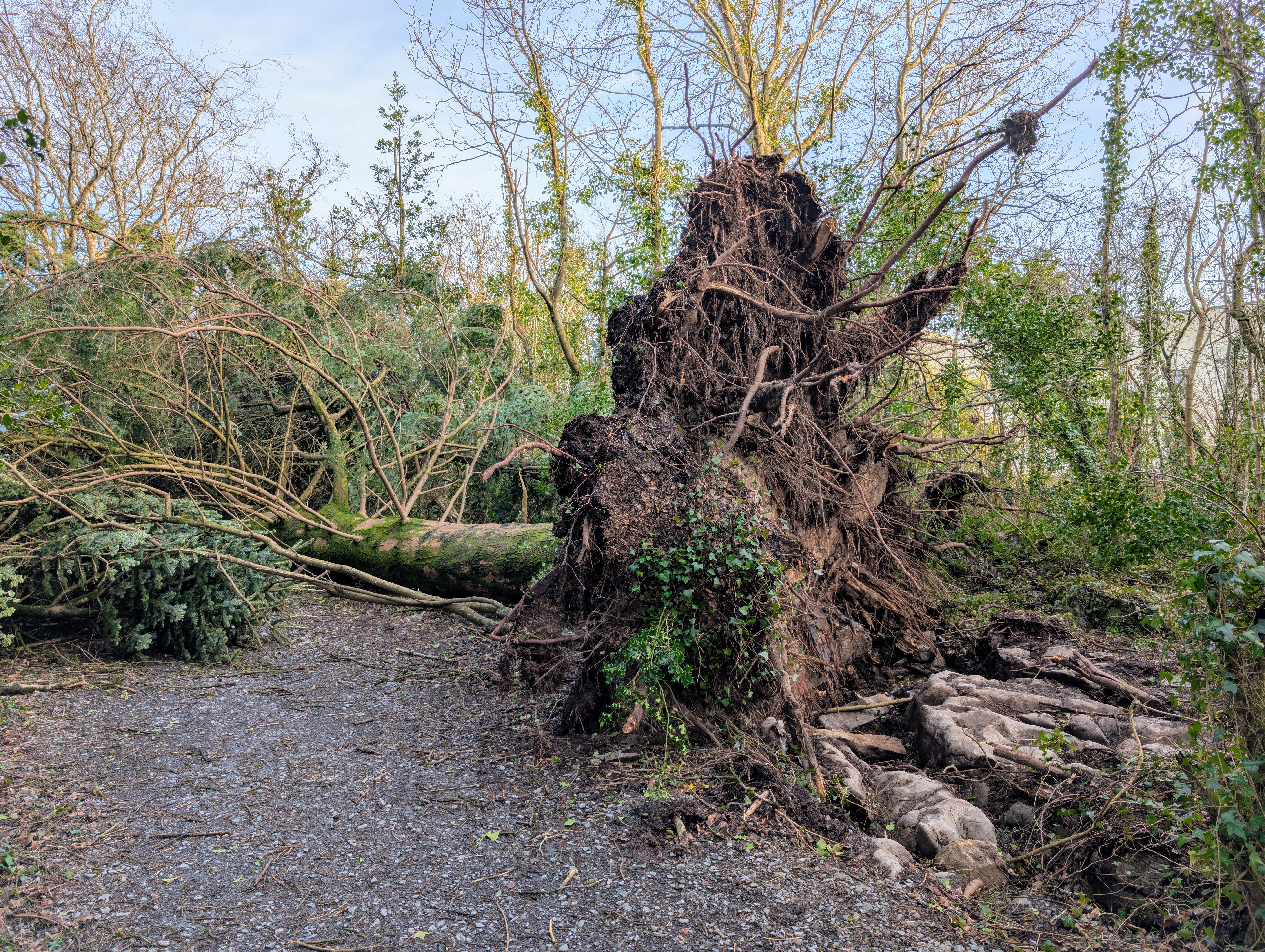
What Makes Emergency Tree Removal Different Than Regular Service?

By Tree Emergency Expert
Tree Emergency Expert
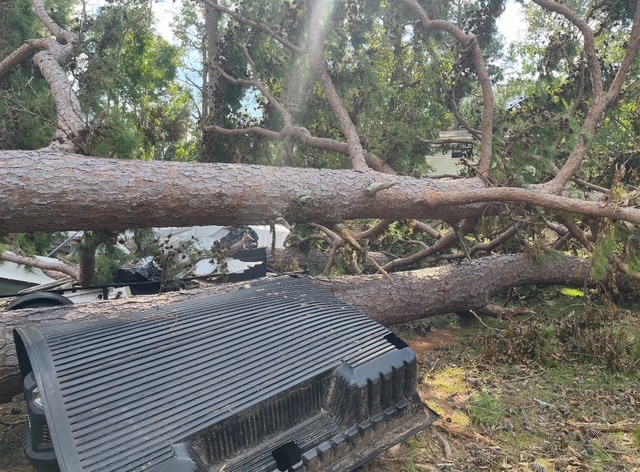
One moment, it’s a typical late-summer day. The next, Hurricane Erin is churning just offshore, sending waves crashing and winds screaming down our streets. Sure, everyone’s talking about the rip currents and the giant surf. But for homeowners across Connecticut and the East Coast, the bigger worry is what those winds can do to trees A tree coming down in your yard on a calm Saturday afternoon is one thing. A tree crashing onto your roof at 2 a.m. during a storm? That’s a whole different story. Emergency tree removal isn’t just “tree work with a flashlight.” It’s faster, riskier, and demands a completely different level of expertise. At 1 Tree Emergency, we see both sides of the job — routine tree removals that keep properties safe, and high-pressure emergency calls where the stakes are sky-high. So what’s the real difference between the two? Let’s break it down.
What Makes Emergency Tree Removal Different Than Regular Service?
A tree coming down in your yard on a calm Saturday afternoon is one thing. A tree crashing onto your roof at 2 a.m. during a storm? That’s a whole different story.
Emergency tree removal isn’t just “tree work with a flashlight.” It’s faster, riskier, and demands a completely different level of expertise. At 1 Tree Emergency, we see both sides of the job — routine tree removals that keep properties safe, and high-pressure emergency calls where the stakes are sky-high. So what’s the real difference between the two? Let’s break it down.
Speed and Response Time
With standard tree removal, you can plan ahead. You get an estimate, schedule the crew, and pick a time that works. Emergency tree removal doesn’t give you that luxury. When a tree is threatening your home, blocking your driveway, or tangled in live power lines, every minute counts.
That’s why emergency crews need to be ready to move quickly — not in days, but in hours (sometimes less). At 1 Tree Emergency, our crews all across the East Coast are trained to mobilize fast, because storm damage doesn’t wait.
Safety Risks Are Higher
Any tree removal comes with risk. But emergencies raise the stakes. Trees that fall during storms are often unstable, hung up on other branches, or leaning dangerously toward homes, cars, or power lines. One wrong move can make things worse.
That’s why emergency crews rely on specialized equipment like cranes, rigging systems, and aerial lifts. It’s not just about cutting a tree down — it’s about controlling every inch of the removal so no additional damage happens.
In short: regular removals are about efficiency. Emergency removals are about survival and safety.
Insurance and Documentation
Most routine tree removals don’t involve insurance at all — homeowners pay out of pocket for maintenance or preventative work. Emergency jobs, on the other hand, are often tied to insurance claims. That means detailed documentation, photos, and sometimes direct coordination with adjusters.
Share this article:
Related Articles
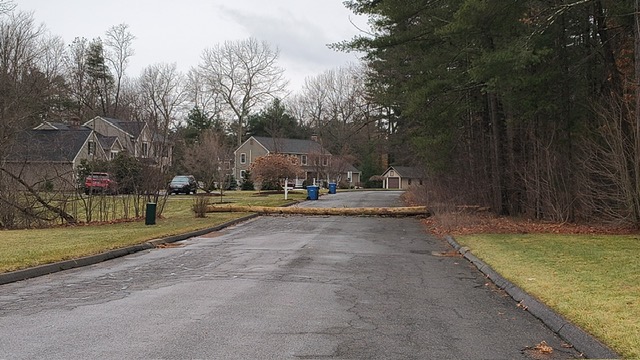
Storm Damage in Pittsburgh: What to Do When Trees Fall After Severe Weather
Severe storms recently moved through Pittsburgh, bringing strong winds, heavy rain and widespread tree damage across neighborhoods throughout Allegheny County. Fallen trees, broken limbs, and storm-damaged branches are creating hazardous conditions for homeowners, especially when trees land on homes, driveways or power lines. When storms hit Western Pennsylvania, fast action is critical. Understanding what to do after a tree falls can help protect your property and keep your family safe.
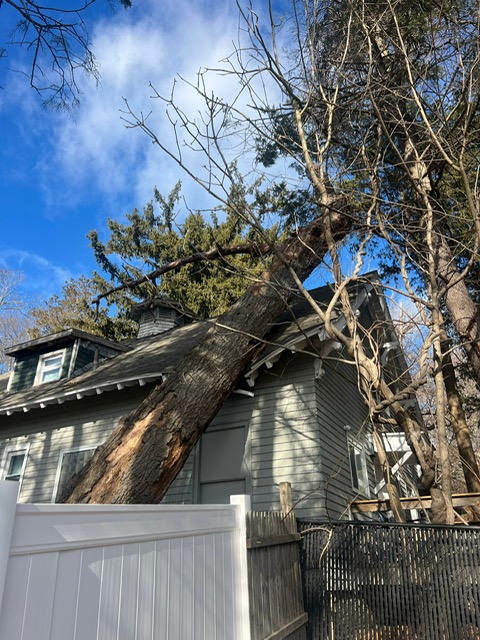
Tree Damage and Insurance Claims: What Homeowners in the U.S. Should Know After a Storm
Not all tree damage is treated the same by your homeowners insurance. In most cases, you’re covered if a fallen tree damages your house, fence, or garage — but there are exceptions. For example, you’re usually protected if a storm knocks a tree onto your roof or if a neighbor’s tree falls onto your property. However, if a dead or neglected tree comes down without hitting anything, or blocks only your yard, your policy may not cover the removal costs.
Need Emergency Tree Service?
Our team of certified arborists is available 24/7 to handle any tree emergency.