How Do I Safely Inspect Tree Damage After a Storm?

By Tree Emergency Expert
Tree Emergency Expert
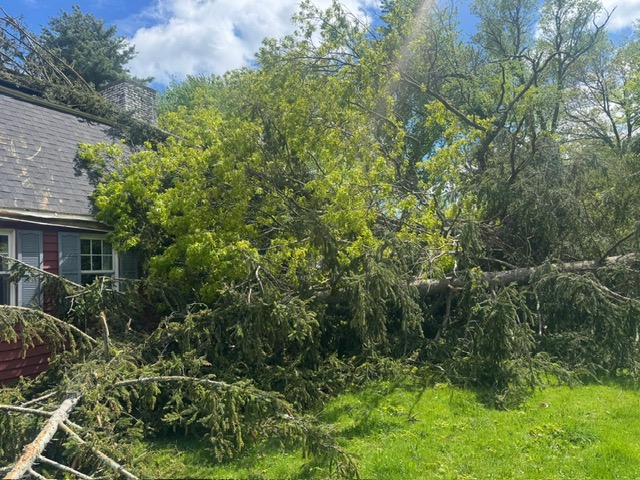
At 1 Tree Emergency, we specialize in emergency tree services and post-storm response, so we know what to look for when assessing storm damage. This guide will help you understand how to safely inspect trees after a storm, what warning signs to check for, and when it’s time to call a professional.
How Do I Safely Inspect Tree Damage After a Storm?
When a big storm hits, trees often take the brunt of it — and figuring out what’s safe (and what’s not) can be stressful. Whether it’s high winds, heavy rain, or lightning, damaged trees can pose serious harm to your home, property, and anyone nearby.
At 1 Tree Emergency, we specialize in emergency tree services and post-storm response, so we know what to look for when assessing storm damage. This guide will help you understand how to safely inspect trees after a storm, what warning signs to check for, and when it’s time to call a professional.
Step 1: Stay Safe and Survey from a Distance
Before walking around your yard, take a careful look from a distance. Safety should always come first.
Do not approach any tree that is:
Touching or close to power lines
Hanging over your home or car
Split, cracked, or leaning more than before the storm
If you notice these signs, step back immediately and contact emergency services or a certified tree professional like 1 Tree Emergency. Damaged trees can collapse suddenly without warning.
Step 2: Look for Obvious Structural Damage
Once you’re sure the area is safe, begin a basic visual inspection. You don’t need to climb or touch anything—just observe.
Here’s what to look for:
Broken or hanging limbs:
These are dangerous and can fall unexpectedly.
Splits or cracks in the trunk:
Structural damage like this means the tree’s stability is compromised.
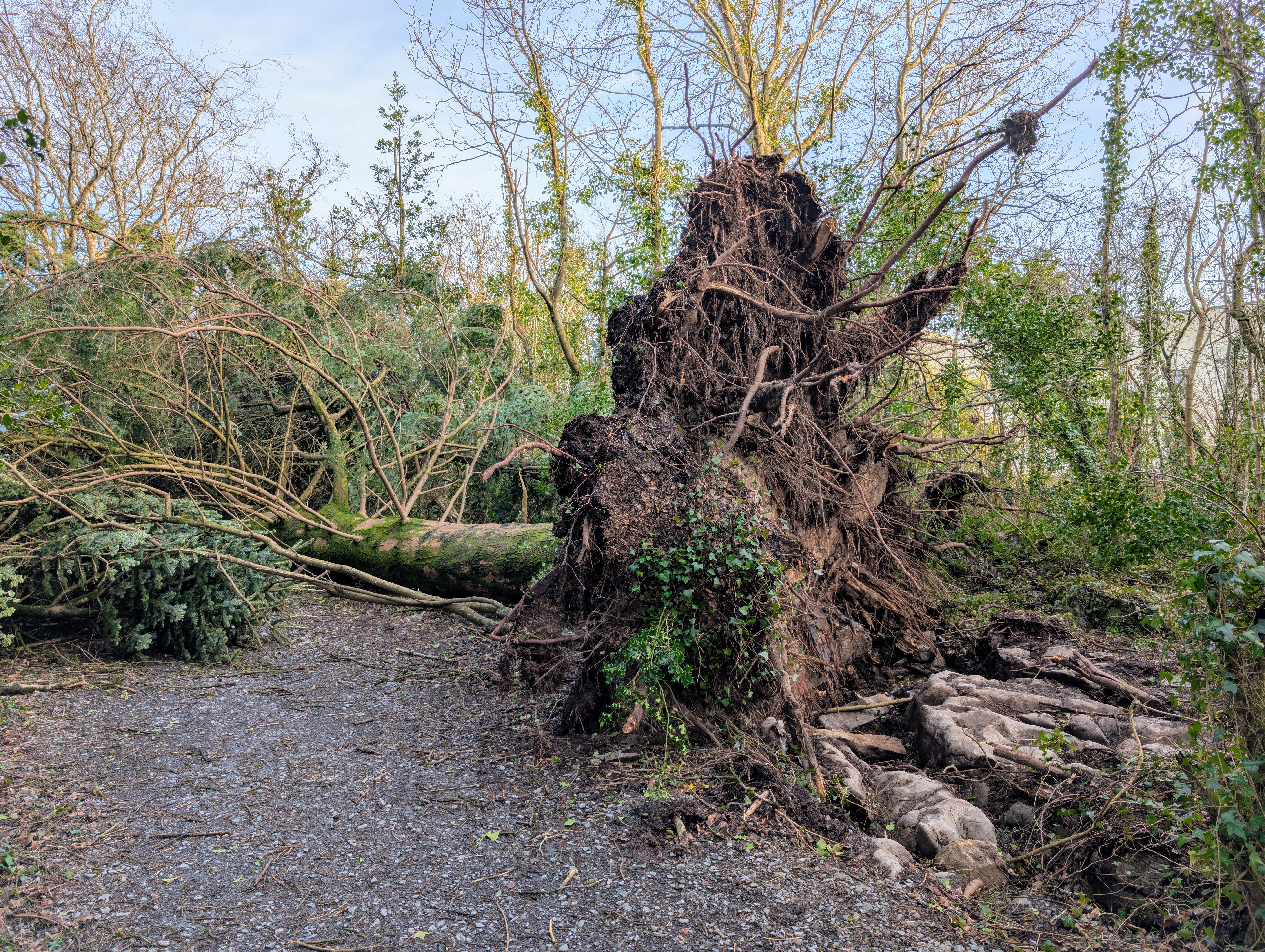
Uprooted roots or lifted soil:
This often means the tree is leaning and may topple soon.
Missing bark or exposed wood:
Indicates internal injury and potential decay.
If any of these issues are visible, it’s best to contact a professional tree damage inspection service immediately. Even minor cracks can worsen over time or with another storm.
Share this article:
Related Articles
Storm Damage in Pittsburgh: What to Do When Trees Fall After Severe Weather
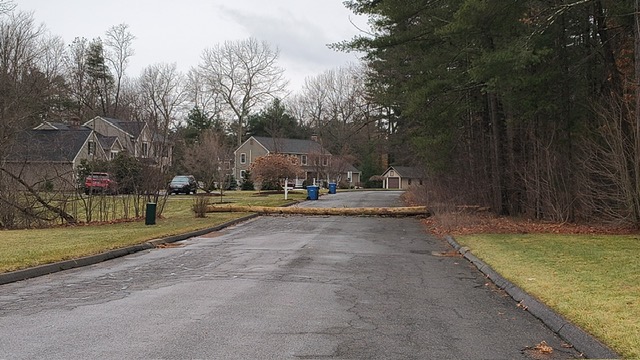
Severe storms recently moved through Pittsburgh, bringing strong winds, heavy rain and widespread tree damage across neighborhoods throughout Allegheny County. Fallen trees, broken limbs, and storm-damaged branches are creating hazardous conditions for homeowners, especially when trees land on homes, driveways or power lines. When storms hit Western Pennsylvania, fast action is critical. Understanding what to do after a tree falls can help protect your property and keep your family safe.
Tree Damage and Insurance Claims: What Homeowners in the U.S. Should Know After a Storm
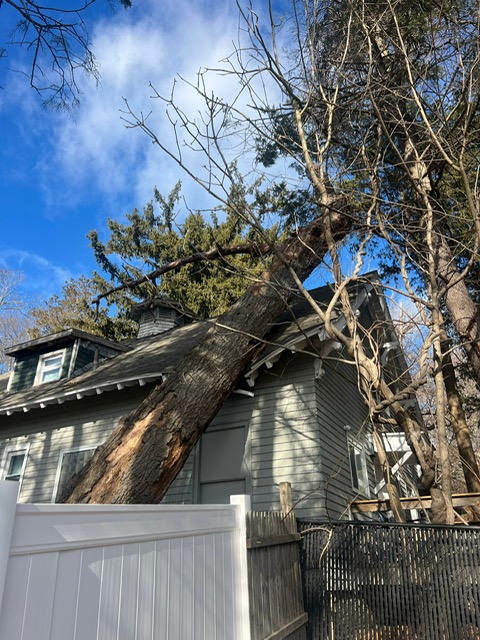
Not all tree damage is treated the same by your homeowners insurance. In most cases, you’re covered if a fallen tree damages your house, fence, or garage — but there are exceptions. For example, you’re usually protected if a storm knocks a tree onto your roof or if a neighbor’s tree falls onto your property. However, if a dead or neglected tree comes down without hitting anything, or blocks only your yard, your policy may not cover the removal costs.
Need Emergency Tree Service?
Our team of certified arborists is available 24/7 to handle any tree emergency.