Nor’easter 2025: What CT, NJ & NY Homeowners Should Know (And How to Protect Your Trees)

By Tree Emergency Expert
Tree Emergency Expert
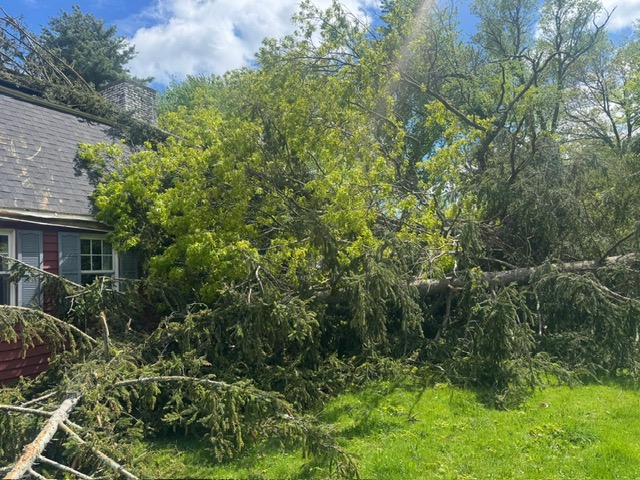
This upcoming nor’easter isn’t just targeting Connecticut — it’s also expected to hit New Jersey and New York with strong winds, heavy rain, and coastal flooding. Trees near the coast or in vulnerable spots will face risks. Get your property prepared now to avoid damage.
Nor’easter 2025: What CT, NJ & NY Homeowners Should Know (And How to Protect Your Trees)
Answer: This upcoming nor’easter isn’t just targeting Connecticut — it’s also expected to hit New Jersey and New York with strong winds, heavy rain, and coastal flooding. Trees near the coast or in vulnerable spots will face risks. Get your property prepared now to avoid damage.
A powerful coastal storm is brewing — and its reach is stretching well beyond Connecticut. New York City, Long Island, New Jersey, and even parts of upstate are bracing for impact. Recent models show this nor’easter could deliver 60 mph gusts, torrential downpours, and flooding along vulnerable shorelines.
If you live in NJ or NY — or own property there — it’s not just a remote concern. Trees already stressed by drought, decay, or prior damage may not survive a storm like this unless you act ahead of time.
What NJ & NY Residents Should Watch For
Coastal Flooding & Salt Spray Damage
Trees near the shoreline may be exposed to salt-laden winds that weaken branches and foliage. Combine that with saturated soils and your trees lose stability.
High Wind Exposure
NYC, Long Island, and coastal NJ are forecasted to see the strongest gusts (potentially up to 60 mph). Trees even a few blocks inland may suffer branch failures.
Heavy Rain + Saturated Soil
When the ground can’t absorb more water, root systems become vulnerable. Heavy storms can undermine tree anchoring, making them more likely to topple.
Increased Risk of Secondary Damage
A fallen limb in Queens, Newark, or along the Jersey Shore can easily hit property, cars, or power lines amplifying the cost of damage.
What You Can Do Now to Protect Your Property
Trim Hazardous Branches Early
Get rid of weak or dead limbs that might be torn off in gusts. Pruning now reduces the risk of them becoming projectiles.
Check Your Tree’s Health
Look for cavities, bark splits, or fungal growth before the storm hits. These may be warning signs of impending structural failure.
Share this article:
Related Articles
Storm Damage in Pittsburgh: What to Do When Trees Fall After Severe Weather
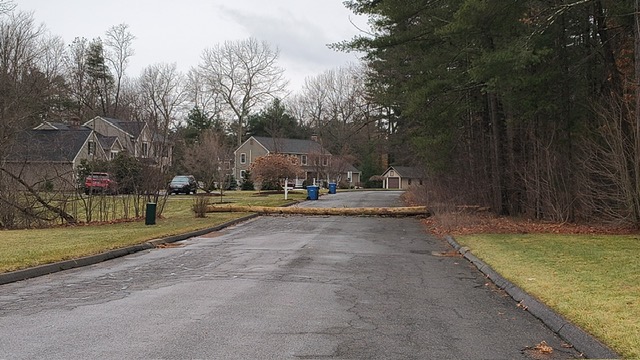
Severe storms recently moved through Pittsburgh, bringing strong winds, heavy rain and widespread tree damage across neighborhoods throughout Allegheny County. Fallen trees, broken limbs, and storm-damaged branches are creating hazardous conditions for homeowners, especially when trees land on homes, driveways or power lines. When storms hit Western Pennsylvania, fast action is critical. Understanding what to do after a tree falls can help protect your property and keep your family safe.
Tree Damage and Insurance Claims: What Homeowners in the U.S. Should Know After a Storm
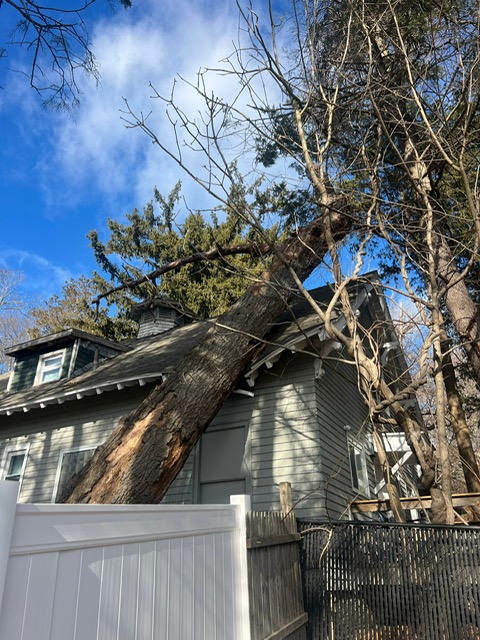
Not all tree damage is treated the same by your homeowners insurance. In most cases, you’re covered if a fallen tree damages your house, fence, or garage — but there are exceptions. For example, you’re usually protected if a storm knocks a tree onto your roof or if a neighbor’s tree falls onto your property. However, if a dead or neglected tree comes down without hitting anything, or blocks only your yard, your policy may not cover the removal costs.
Need Emergency Tree Service?
Our team of certified arborists is available 24/7 to handle any tree emergency.