The Hidden Dangers of Microburst Storms for Trees

By Tree Emergency Expert
Tree Emergency Expert
“A microburst can unleash winds over 100 mph — faster than most tornadoes.” When most people think of storm damage, they picture hurricanes or blizzards. But microbursts? Those often fly under the radar — until they take out half the trees in your neighborhood.
The Hidden Dangers of Microburst Storms for Trees
“A microburst can unleash winds over 100 mph — faster than most tornadoes.”
When most people think of storm damage, they picture hurricanes or blizzards. But microbursts? Those often fly under the radar — until they take out half the trees in your neighborhood.
Unlike large, sweeping storms, a microburst is a short, violent downburst of wind that can tear through an area in minutes. The damage is often concentrated, devastating, and unpredictable. And here’s the kicker — many healthy-looking trees don’t stand a chance.
🌪 What Exactly Is a Microburst?
A microburst is a sudden column of sinking air that hits the ground and spreads out rapidly. Think of it as a giant fist slamming down from the sky.
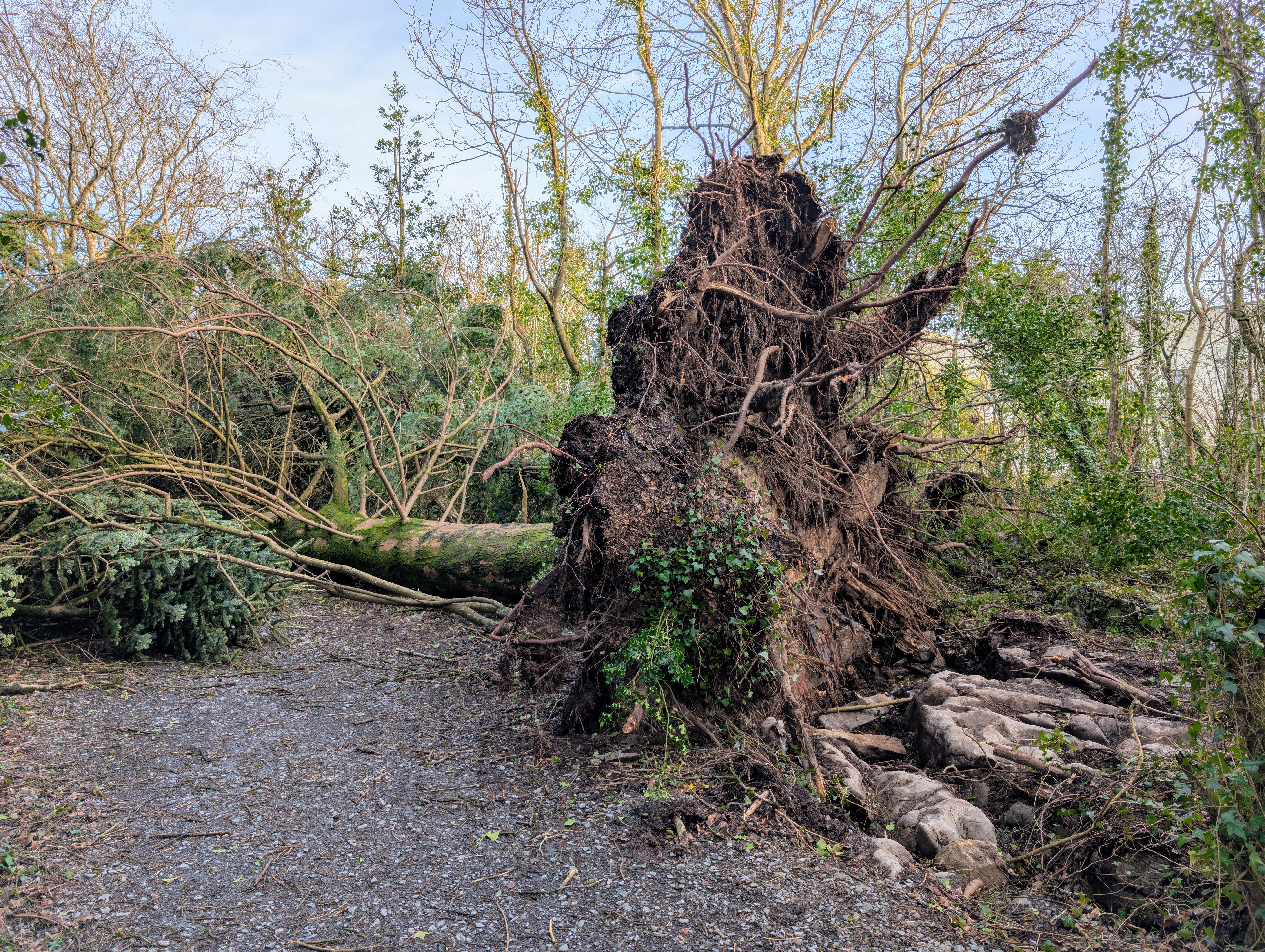
In Connecticut towns like Avon, Shelton, and West Hartford, we’ve seen microbursts uproot massive oaks, snap pines like matchsticks, and leave streets looking like a logging yard. Because the winds blast in one direction, they can create a “domino effect” of falling trees.
🌳 Why Microbursts Are So Dangerous for Trees
Even healthy root systems are no match for 80+ mph winds combined with saturated soil. In neighborhoods with older trees — like Weatogue, Canton, or Unionville — shallow-rooted species (maples, spruces, pines) are particularly vulnerable.
Unlike hurricanes that give trees some “warning” with hours of heavy wind, microbursts are instant. A single blast from one direction is more likely to snap trunks or topple trees at the base.
A tree may look healthy but still have decay, insect damage, or past storm injury. Microbursts find those weaknesses fast.
🛠 How to Protect Your Trees Before a Microburst
You can’t stop a microburst, but you can reduce the risk of catastrophic damage.
Get a Professional Tree Risk Assessment — A licensed arborist can spot weak limbs, leaning trunks, or hollow sections before they fail.
Share this article:
Related Articles
Storm Damage in Pittsburgh: What to Do When Trees Fall After Severe Weather
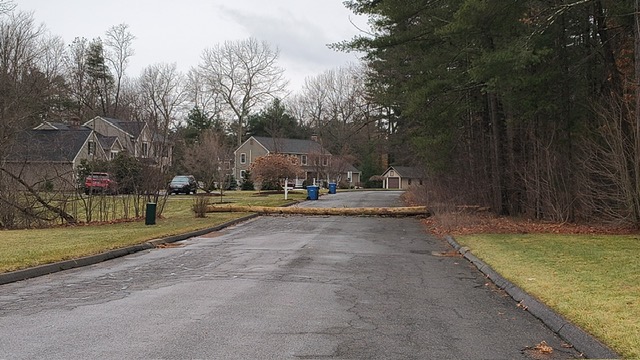
Severe storms recently moved through Pittsburgh, bringing strong winds, heavy rain and widespread tree damage across neighborhoods throughout Allegheny County. Fallen trees, broken limbs, and storm-damaged branches are creating hazardous conditions for homeowners, especially when trees land on homes, driveways or power lines. When storms hit Western Pennsylvania, fast action is critical. Understanding what to do after a tree falls can help protect your property and keep your family safe.
Tree Damage and Insurance Claims: What Homeowners in the U.S. Should Know After a Storm
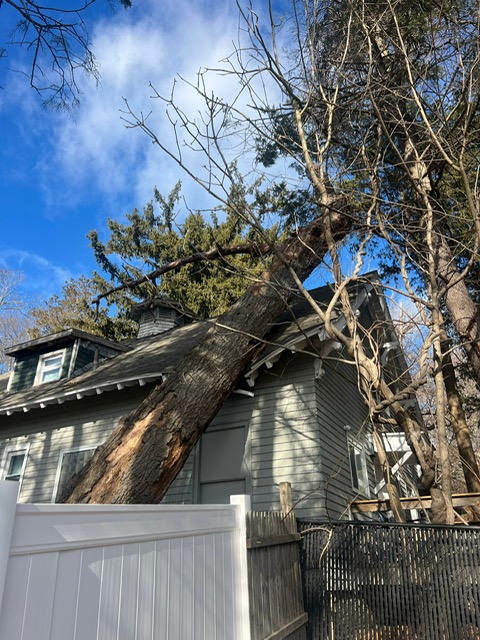
Not all tree damage is treated the same by your homeowners insurance. In most cases, you’re covered if a fallen tree damages your house, fence, or garage — but there are exceptions. For example, you’re usually protected if a storm knocks a tree onto your roof or if a neighbor’s tree falls onto your property. However, if a dead or neglected tree comes down without hitting anything, or blocks only your yard, your policy may not cover the removal costs.
Need Emergency Tree Service?
Our team of certified arborists is available 24/7 to handle any tree emergency.