Filing a Farmers Tree Damage Claim: A Practical Guide

By Tree Emergency Expert
Tree Emergency Expert

A well-documented Farmers tree damage claim settles more smoothly. Here is how to make the scene safe, record the evidence, report the loss, and work with your adjuster.
Filing a Farmers Tree Damage Claim
When a tree falls on your house, garage, or car, a Farmers homeowners policy may help cover the damage — but exactly what gets paid depends on your specific coverage. First, an important note: 1 Tree Emergency is an independent tree service. We are not affiliated with, endorsed by, or acting on behalf of Farmers. Our job is to make your property safe and help you build a clear, accurate claim. Coverage varies by policy, so treat this as a practical roadmap rather than a guarantee of what your insurer will pay.
Step 1: Make the Property Safe
Safety comes before paperwork every time. Keep everyone away from downed limbs, leaning trunks, and any tree touching a power line. If a line is involved, call your utility and 911 and stay clear until the area is confirmed de-energized. Most policies expect reasonable emergency mitigation to prevent further loss, but not at the cost of your safety. If a tree has punctured your roof or a wall, our crews can tarp the opening and stabilize the structure the same day so rain does not compound the damage.
Step 2: Document Before You Clean Up
Insurers pay based on what you can prove, so capture everything before anything is moved. Take wide shots and close-ups of the tree, the point of impact, interior damage, and any belongings affected. Note the date, time, and weather. Save receipts for tarps, boarding, and emergency labor, since those costs are frequently reimbursable. Following a consistent emergency tree documentation routine ensures the evidence your adjuster needs is captured correctly the first time.
Step 3: Report the Claim Promptly
Once the property is safe, open your claim through the Farmers app, website, or by phone. You will receive a claim number and usually an assigned adjuster. Give a factual account of what fell, when, what it struck, and the temporary steps you have taken. Ask two questions up front — whether emergency mitigation is covered and what your deductible is. Reviewing our overview of tree damage claims beforehand helps you speak clearly with the adjuster and avoid gaps that slow a payout.
Step 4: Work With Your Adjuster
An adjuster will inspect the damage in person or by photos and video. Walk them through your documentation, point out anything not visible from the ground, and provide your mitigation receipts. Get all repair and removal estimates in writing, and if you disagree with the scope, request a re-inspection or a second estimate. Keep a simple log of every call, name, and date. The publishes neutral, plain-language guidance on how the process typically works.
Share this article:
Need help with this right now?
We respond 24/7. Call (866) 320-7003 or start with the page that matches your situation.
Related Articles
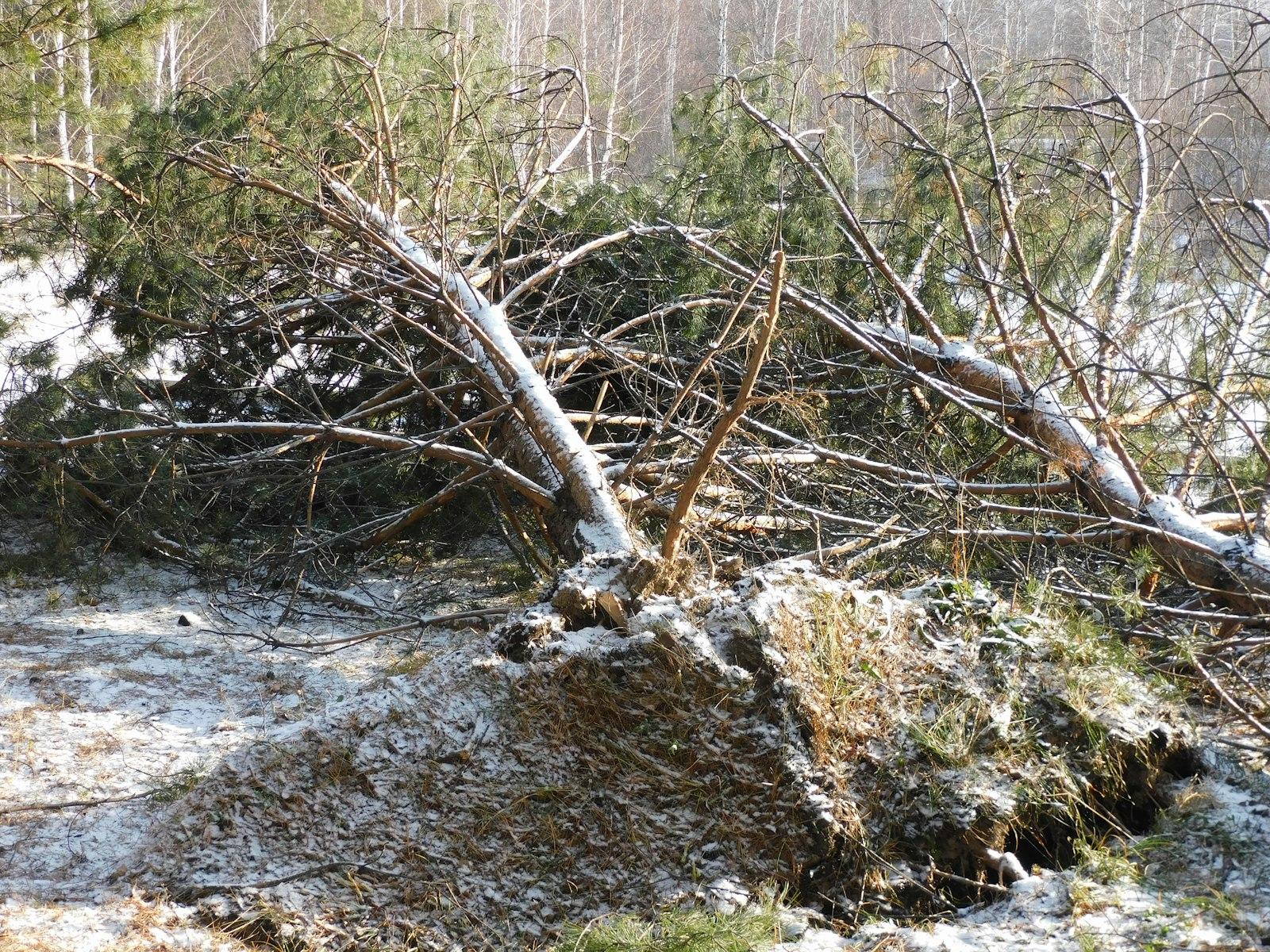
What to Do With Storm Debris and Fallen Wood
Storms leave behind branches, logs, and tangled debris. Here is how to handle fallen wood safely, what to leave to professionals, and how to dispose of it.

Worcester Storm Tree Damage: A County Guide
Ice, heavy wet snow, and wind each threaten Worcester County trees differently. Here is how central Massachusetts storms cause damage and how to prepare.

Will a Tree Damage Claim Raise My Premium?
Need Emergency Tree Service?
Our team of certified arborists is available 24/7 to handle any tree emergency.