Delaware Storm Tree Damage Guide

By Tree Emergency Expert
Tree Emergency Expert
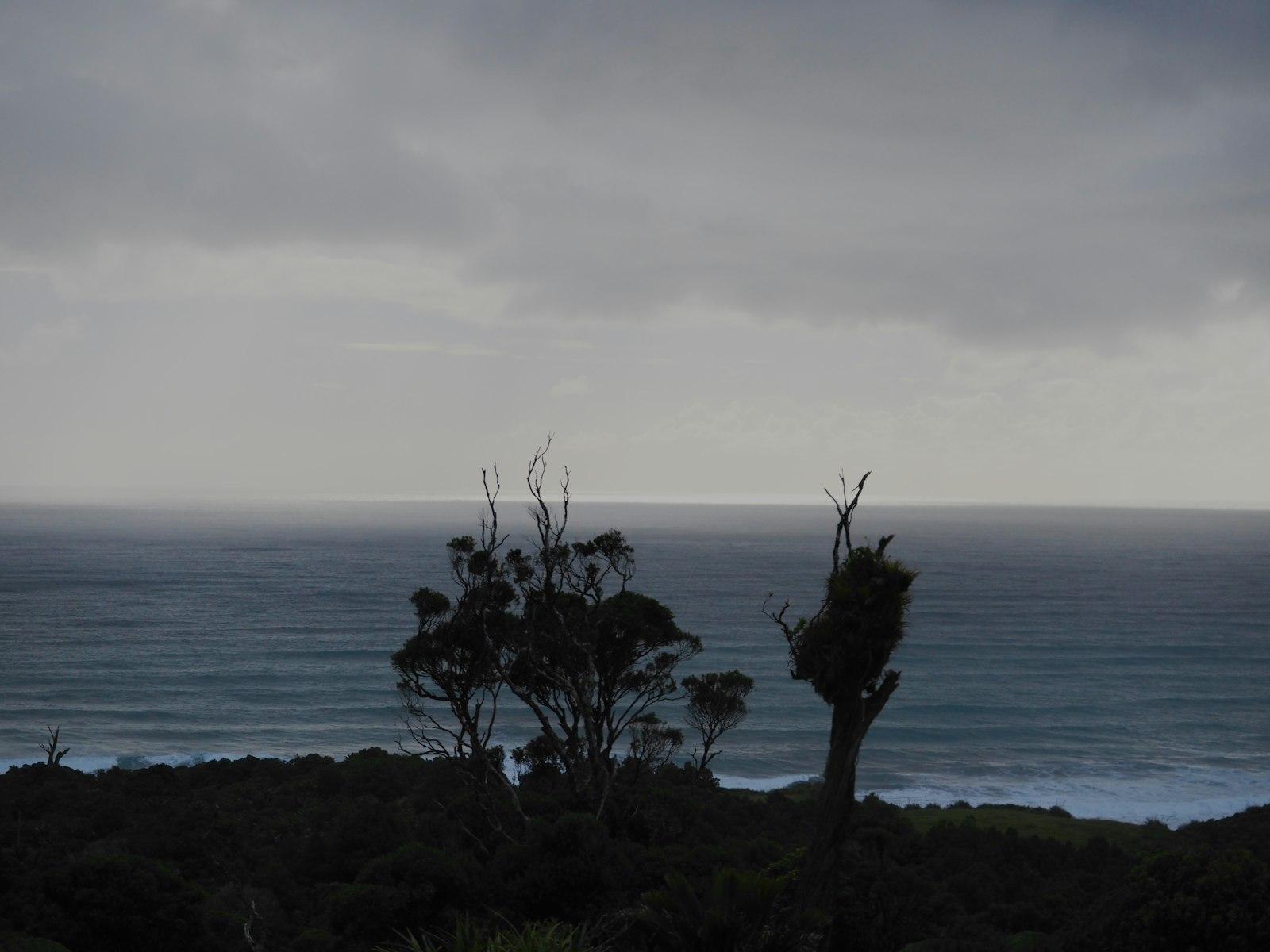
From coastal nor'easters to hurricanes, Delaware trees take a beating. Learn the state's storm risks, power outage steps, and when to call a professional.
Delaware's Unique Storm Risks
Delaware sits in a tough spot for trees. The state is small, but it catches weather from every direction: coastal nor'easters that stall offshore for days, tropical systems and hurricanes tracking up the Atlantic, and summer thunderstorms with damaging straight-line wind. Add sandy coastal soils, a high water table, and flat terrain with little to slow the wind, and you have a recipe for downed trees. Whether you are in New Castle County, Kent County, or Sussex County, knowing your local risks is the first step to protecting your property.
The Storms That Take Down Delaware Trees
Each type of storm stresses trees in a different way, and Delaware sees them all.
Nor'easters: These coastal storms can sit offshore for days, driving sustained wind and soaking the ground until roots lose their grip. Wet snow and ice from winter nor'easters add crushing load to limbs.
Hurricanes and tropical storms: Systems moving up the coast bring high wind and heavy rain. Saturated sandy soil makes uprooting far more likely, especially near the Delaware Bay and Atlantic beaches.
Summer thunderstorms: Fast-moving storms and derechos deliver sudden, violent gusts that snap weak limbs and topple already-stressed trees.
The National Weather Service office in Mount Holly, New Jersey issues the watches and warnings for Delaware. When they post a wind or coastal flood advisory, treat it as your cue to check your trees and finalize your storm plan.
Regional Differences Across the State
Delaware's three counties do not all face the same threats. Coastal Sussex County takes the brunt of salt spray, beach wind, and storm surge, which weaken trees over time and leave them vulnerable. Kent County's mix of farmland and neighborhoods sees open-exposure wind damage. Densely wooded New Castle County, including Wilmington, deals with mature trees close to homes and power lines, where a single failure can knock out an entire block.
When the Power Goes Out
Delmarva Power serves most of the state, and downed trees are the leading cause of outages during storms. When a tree takes down a line, stay safe and act fast.
Assume every downed line is live and stay far away from it
Report the outage to Delmarva Power and never attempt to move a tree off a line yourself
Share this article:
Related Articles

What Is Not Covered by Tree Damage Insurance
Homeowners policies cover a lot of tree damage, but not everything. Here are the common exclusions and sublimits that surprise people after a storm.
How to Choose an Emergency Tree Service You Can Trust
When a tree is on your home, the wrong contractor can cost you thousands. Here is what certified arborists say to verify before hiring an emergency tree service.
Fall Storm Prep for Your Trees: An Autumn Checklist
Need Emergency Tree Service?
Our team of certified arborists is available 24/7 to handle any tree emergency.